In today’s care environment, time is one of the most valuable resources. Care home staff are under increasing pressure to deliver safe, high-quality care while managing complex administrative tasks. One area where time can be significantly saved is medication management.
According to Skills for Care, improving efficiency is critical as demand rises and workforce pressures continue across adult social care.
Digital medication records (often referred to as eMAR systems) are transforming how care homes operate, reducing paperwork, minimising errors, and giving staff more time to focus on what matters most: residents.
See how care providers save hours every week with digital medication records. Discover how Camascope helps teams reduce admin time and focus more on care. 👉 See Camascope in action
What Are Digital Medication Records?
Digital medication records replace traditional paper-based MAR (Medication Administration Record) charts with a secure, electronic system. These platforms allow care staff to record, track, and manage medication administration in real time.
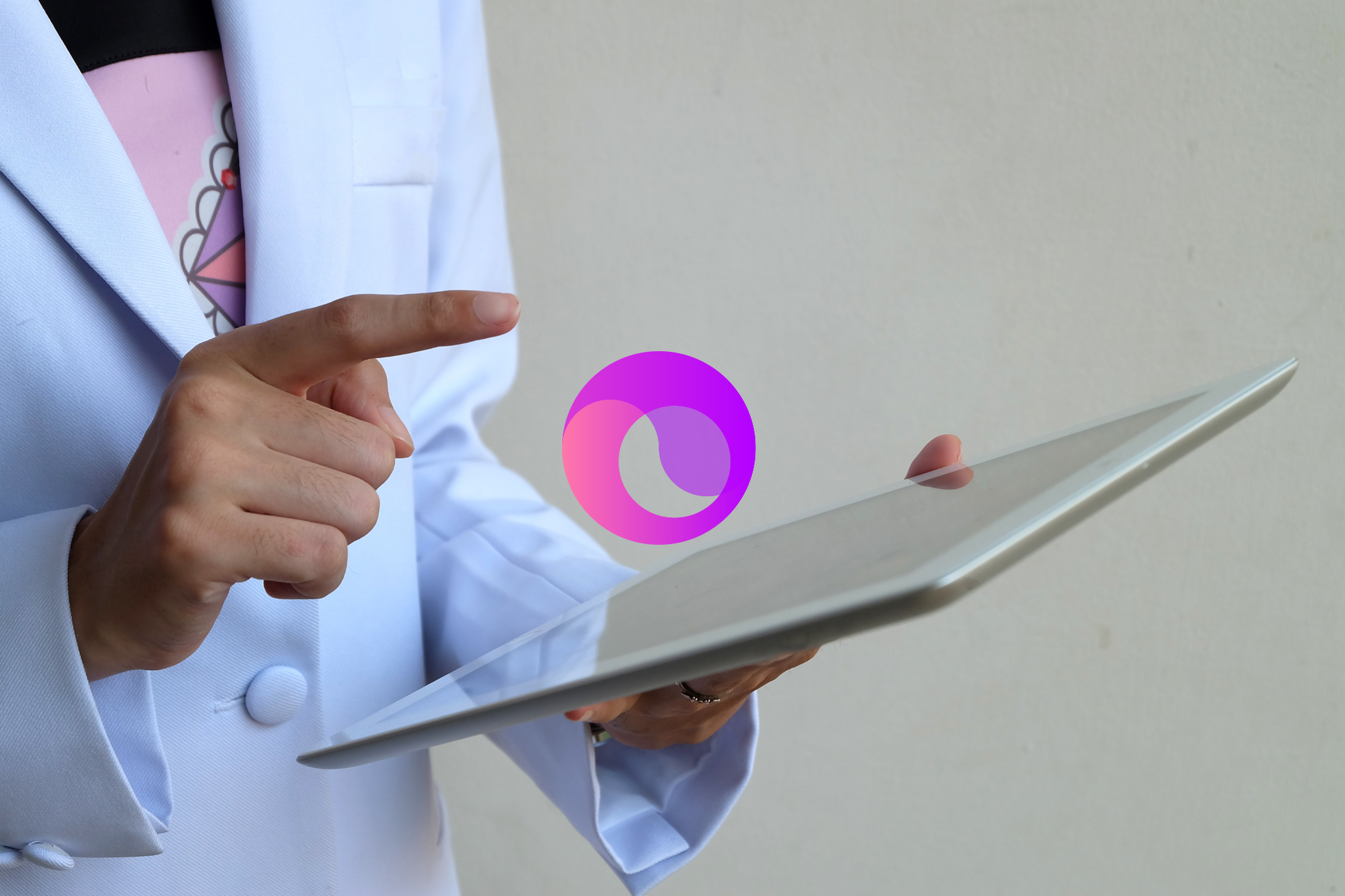
Instead of manually updating charts, staff can access and update records instantly via a tablet or mobile device.
The NHS Transformation Directorate highlights that digital transformation enables better access to information and more connected care systems:
NHS digital transformation in social care.
The Time Challenges of Paper-Based Systems
Paper MAR charts can be time-consuming and prone to inefficiencies, such as:
- Manually recording each medication round
- Double-checking handwritten entries
- Searching for missing or misplaced charts
- Correcting errors and rewriting records
- Communicating updates across shifts
These challenges reduce time available for direct care.
The Care Quality Commission (CQC) notes that accurate and accessible records are essential for safe and effective care, and that digital systems are becoming increasingly necessary:
CQC guidance on digital record systems.
How Digital Medication Records Save Time
1. Faster Medication Rounds
With digital systems, staff can quickly view medication schedules, dosages, and instructions in one place. Automated prompts and clear interfaces reduce the time spent interpreting handwritten notes.
The UK government’s digital care strategy highlights that technology can make care delivery “faster and more effective”:
UK plan for digital health and social care.
2. Real-Time Updates
Any changes to medication such as dosage adjustments, are updated instantly across the system. This eliminates the need for manual handovers or chasing updated paperwork.
Real-time data sharing is a key benefit of digital transformation in care systems, improving coordination and responsiveness:
Government guidance on digital transformation in social care.
3. Reduced Admin Work
Digital records automate much of the documentation process. Staff can log medication administration with just a few taps, cutting down significantly on paperwork.
Government policy highlights that digitisation allows staff to spend less time on admin and more time delivering care:
A plan for digital health and social care.
4. Fewer Errors, Less Rework
Mistakes in paper records often require time-consuming corrections. Digital systems include validation checks and alerts, helping prevent errors before they happen.
Accurate record-keeping is a key requirement for safe care, as outlined by the CQC:
5. Improved Communication Between Staff
All team members can access up-to-date information at any time. This reduces time spent clarifying notes or tracking down colleagues for updates.
Digital records support better information sharing and integrated care delivery across teams:
Care quality Commission.
6. Easy Audits and Reporting
Preparing for inspections or audits is much quicker with digital records. Reports can be generated instantly, saving hours of manual preparation.
The CQC highlights that digital records support compliance and improve oversight of care quality:
Care quality Commission.
More Time for What Matters Most
By reducing administrative burden, digital medication records free up staff to spend more time with residents, improving both care quality and job satisfaction.
Instead of being tied to paperwork, care teams can focus on building relationships, monitoring wellbeing, and delivering personalised care.
Digital transformation is designed to improve both staff experience and care outcomes across the system:
Government guidance on digital transformation in social care.
Why Care Homes Are Making the Switch
Care homes across the UK are increasingly adopting digital solutions to improve efficiency and compliance. With ongoing staff shortages and rising demand, saving time is no longer a luxury—it’s essential.
The UK government has set a target for widespread adoption of digital social care records, recognising their role in improving productivity and care delivery:
Government guidance on digital transformation in social care.
Digital medication records are a simple yet powerful way to streamline operations and support care teams in their day-to-day work.
Conclusion
Investing in digital medication records isn’t just about going paperless, it’s about giving care home staff the tools they need to work smarter, reduce stress, and deliver better care.
As highlighted by organisations such as the NHS, CQC, and UK government, digital systems are becoming essential to delivering safe, efficient, and high-quality care in modern settings.
Learn More About Camascope
Camascope is built for the realities of social care, where medication safety depends on clear, accurate, real-time data. To discover how Camascope eMAR can reduce errors, save valuable time, and strengthen outcomes for your service users, speak with our team today.
Latest Insights and Trends
Explore our latest articles and insights.